Deprecated: Using null as an array offset is deprecated, use an empty string instead in /var/www/wptbox/wp-includes/class-wp-block-type-registry.php on line 168
Deprecated: Using null as an array offset is deprecated, use an empty string instead in /var/www/wptbox/wp-includes/class-wp-block-type-registry.php on line 168
Deprecated: Using null as an array offset is deprecated, use an empty string instead in /var/www/wptbox/wp-includes/class-wp-block-type-registry.php on line 168
Deprecated: Using null as an array offset is deprecated, use an empty string instead in /var/www/wptbox/wp-includes/class-wp-block-type-registry.php on line 168
Deprecated: Using null as an array offset is deprecated, use an empty string instead in /var/www/wptbox/wp-includes/class-wp-block.php on line 257
Deprecated: Using null as an array offset is deprecated, use an empty string instead in /var/www/wptbox/wp-includes/class-wp-block-type-registry.php on line 168
Deprecated: Using null as an array offset is deprecated, use an empty string instead in /var/www/wptbox/wp-includes/class-wp-block-type-registry.php on line 168
Deprecated: Using null as an array offset is deprecated, use an empty string instead in /var/www/wptbox/wp-includes/class-wp-block-type-registry.php on line 168
Deprecated: Using null as an array offset is deprecated, use an empty string instead in /var/www/wptbox/wp-includes/class-wp-block-type-registry.php on line 168
Deprecated: Using null as an array offset is deprecated, use an empty string instead in /var/www/wptbox/wp-includes/class-wp-block-type-registry.php on line 168
Here are the highlights of the case, which are important to consider:
- Mom tested negative for GBS at 37 weeks of pregnancy, so was not given the recommended antibiotics in labor for GBS. When given in labor, IV antibiotics quickly cross the placenta. The Evidence Based Birth article states that about 9% of women will test negative but actually be positive during labor (meaning they unknowingly expose their babies to this risk without antibiotics, as the mom in the CDC article did). Also, 16% of women who tested positive will actually be negative during labor, meaning they will receive unnecessary antibiotics.
- Baby was colonized for GBS anyway, needing to spend at least 11 days in the hospital, taking antibiotics. If a baby is born with GBS infection, the hospital should have sent the placenta to pathology to confirm, and then the mother would not have been allowed to release the placenta for encapsulation. This is standard for ANY infection in labor or in the immediate postpartum. I would never process a placenta that was born while an active infection took place in labor, or if a baby had GBS colonization after birth. This is something that all folks who provide placenta encapsulation must check about before moving forward.
- Mom had her placenta encapsulated, method of preparation unknown in this article, and began taking capsules 3 days postpartum
- Baby had recurrent GBS, and was admitted to another hospital 5 days after release from the first
- Mom’s breastmilk tested negative for GBS, but the placenta capsules tested positive
- The CDC case states, “Although transmission from other colonized household members could not be ruled out, the final diagnosis was late-onset GBS disease attributable to high maternal colonization secondary to consumption of GBS-infected placental tissue.”
The doctors came to the conclusion that, because the placenta capsules tested positive for GBS, the mother must have had higher concentrations of the bacteria in her skin or digestive tract, this re-exposing baby to the infection. Group B Strep likes to live in mucous membranes, and there have been a few cases of recurrent GBS that are not-at-all placenta encapsulation related. An adult with an unknown high concentration of GBS could pass it along to a baby with a kiss.
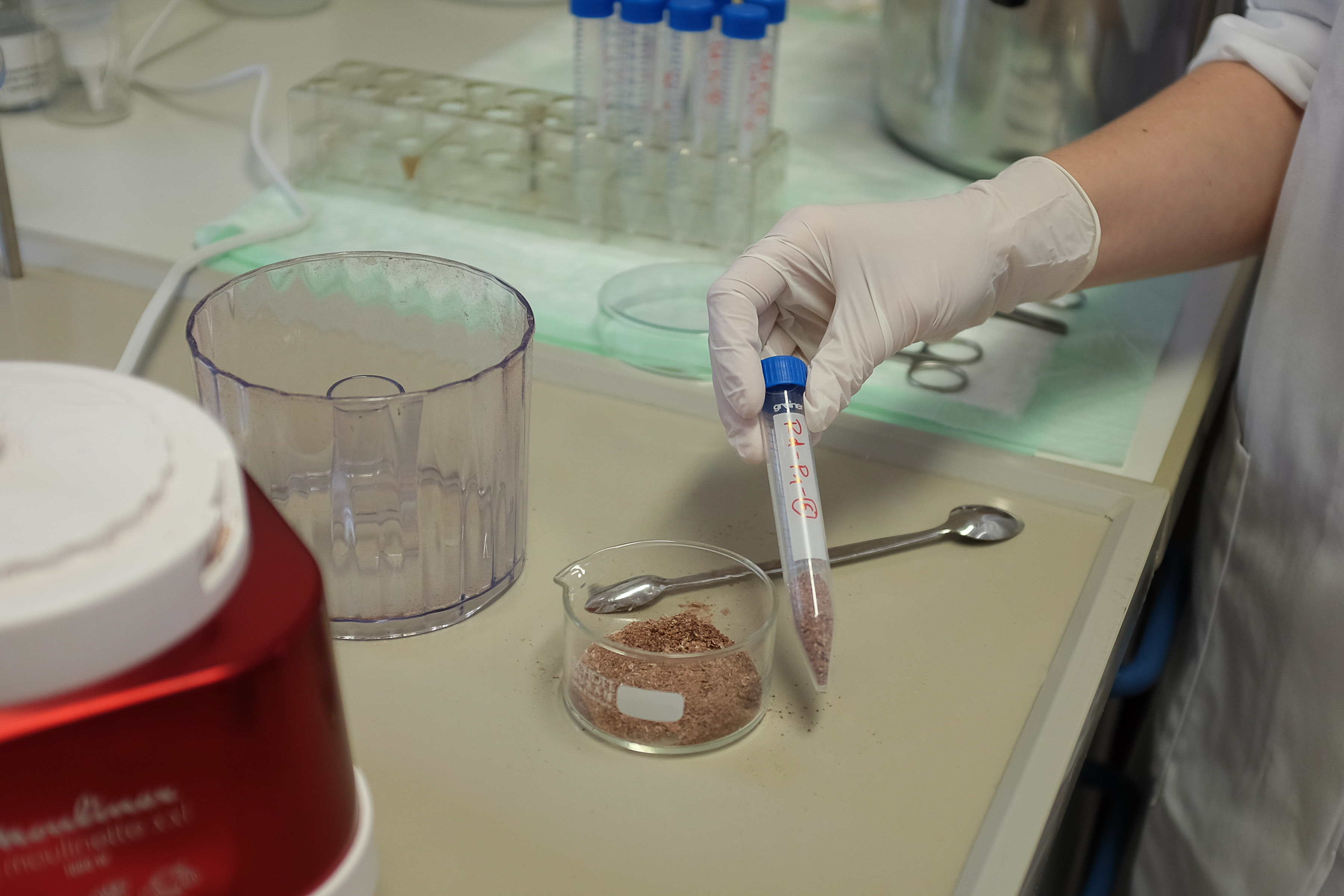 The company this mother used states they dehydrate the placenta for encapsulation between 115 and 160 degrees. In my practice, I dehydrate a steamed placenta at 145 degrees, and a “raw” placenta at 160 degrees Fahrenheit. The protocol I use is the USDA guidelines for safe meat preservation and dehydration. The article also mentions that a temperature of 130 degrees for 121 minutes is long enough to kill salmonella (implying that other bacteria could be significantly reduced in a similar temperature/amount of time). Whenever I process a placenta, I dehydrate it (keeping it between 145 and 160 degrees) for at least 12 hours. Preliminary research shows that steaming the placenta properly and dehydrating it both have a significant impact on reducing potentially harmful bacteria or pathogens. I always use steamed preparation before dehydrating a placenta if my client tests positive for GBS.
This article also says the company in Oregon says storing the placenta capsules at room temperature is ok. I definitely recommend refrigerating the capsules to keep them safe for consumption, because unlike other dehydrated/preserved meat products, the placenta capsules contain no sugar, salt or nitrates to preserve them.
Let’s get one more thing straight: GBS is a common bacteria that humans tend to have in their digestive tracts. About 15-30% of folks will test “positive” for a high concentration in the recto/vaginal area during pregnancy. Human bodies are made up of 90% bacteria – 9 out of 10 of our cells are not actually human DNA but bacteria. Folks are just starting to study how bacteria balance in our guts affects health, and how it varies from culture to culture- especially with our current high usage of antibiotics in the US. In the 1970s and 80s, folks realized a large amount of seemingly healthy babies were getting infections after vaginal births (things like pneumonia and other breathing issues – as this baby in the article did suffer), the CDC realized a high concentration of GBS bacteria in the vaginal canal could “colonize” babies on their way out, thus exposing them to the risk of infection. IV antibiotics in labor became the standard of practice, reducing the likelihood of newborns with GBS infections by 80%.
There are some folks studying probiotics and rates of GBS, either orally or topically: yes, the preliminary studies show we can positively impact healthy bacteria balance with probiotic pantyliners. Early research implies that Group B Strep is kept in check with lactobacillus bacteria, and even garlic. Other studies imply that GBS likes to live in a yeast-friendly environment, so folks who are prone to yeast infections might be more likely to test positive in pregnancy. Either way- GBS does impact a lot of my clients. Folks who hope to avoid an IV in labor often need to accept IV antibiotics to reduce the risk of passing GBS to a newborn.
Krystina Fridlander at Baraka Birth has a lovely thorough blog post outlining a lot of the research available on probiotics and Group B Strep. Read more here.
]]>